
BANDAR SERI BEGAWAN – The Ministry of Primary Resources and Tourism (MPRT) will continue to focus on boosting food security after food production declined 8.9 percent in 2023.
In his budget readout for the 2024/25 fiscal year on Tuesday, MPRT Minister Dato Dr Hj Abd Manaf Hj Metussin said reduced yields from the agriculture and fisheries industries contributed to lower food production.
The production value of the fisheries sector shrank 21.1 percent to $166.57 million last year, while agricultural output was worth $549.75 million, a 4.5 percent decrease from 2022.
The minister attributed the lower aquaculture output to shrimp diseases, which further affected the production of processed fishery products.
Brunei currently has a self-sufficiency rate of 71 percent in fish and shrimp.
Dato Dr Hj Abd Manaf said challenges such as supply chain disruptions and climate change remain, causing increased production costs and food imports.
The sultanate is still highly dependent on importing seeds, fertilizers and fodder for livestock.
Meanwhile, cattle and meat production also fell after demand returned to pre-COVID levels.
Rice farming woes at Kandol
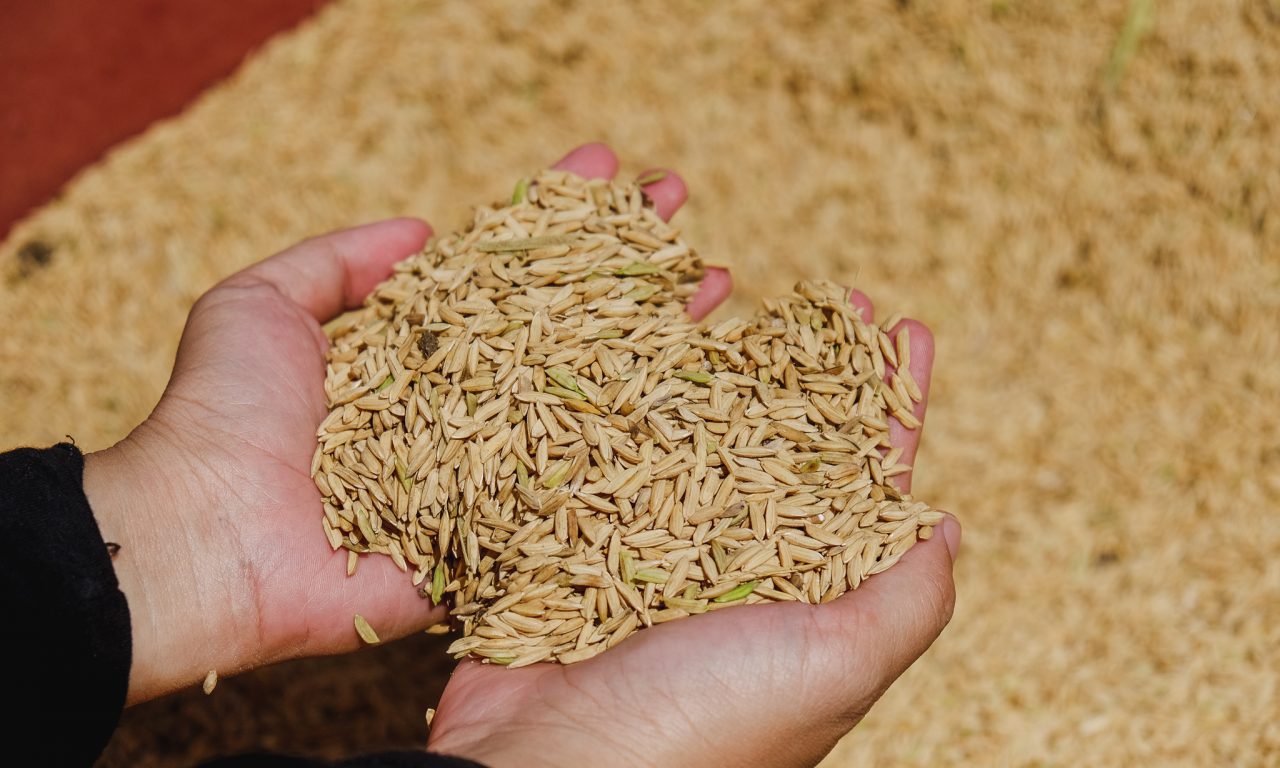
Brunei’s largest commercial rice farm at Belait’s Kandol is struggling with unstable soil, four years after it started operations.
In response to Legislative Council member Hj Mohd Salleh Hj Othman’s query on the progress of the Kandol farm, the minister said government-linked company Paddyco is working to address land stability issues at the site.
“In terms of productivity, it is still low in Kandol because it is a new area. The land is not stable yet, so production is still low at one to two tonnes a season,” he said.
Kandol was identified as a potentially successful site for rice farming due to its nutrient-rich soil, despite being a flood-prone area.
Dato Dr Hj Abd Manaf said Phases 1 and 2 of the Kandol project had been implemented with 174 hectares of land used for paddy farming, but the third phase has been put on hold until the land stability issues are resolved.
The farm is also facing a labour shortage, with only a dozen of Bruneians working at the site.
The government initially targeted the Kandol farm to raise Brunei’s rice self-sufficiency to 15 percent by 2025, but has since tempered expectations.
With the current rice self-sufficiency rate maintained at about 8 percent, the government is now hoping that a new hybrid variety will increase the rate to 12 percent.
Partnering with China’s Hunan Hybrid Rice Research Center and Yuan Longping High Tech Agriculture and the International Rice Research Institute in the Philippines, MPRT is focusing on research to identify high-yielding rice varieties.
Using the Sembada188 padi variety, the government aims to increase rice production in irrigated areas from 5-6 metric tonnes per hectare (MT/ha) to 7-8MT/ha in a season.

The ministry is also conducting a pilot project to plant several hybrid paddy varieties with the potential to produce as much as 7.5MT/ha per season.
Meanwhile, four types of rice varieties have been identified and undergoing trial at non-irrigated areas in Temburong.
MPRT intends to increase farm productivity in non-irrigated areas from 1MT/ha to 3MT/ha per season.
Budget boost for MPRT
The ministry tabled a budget of $112.34 million for FY 2024/25, a 33 percent jump from the previous year.
About 40 percent or $44.95 million of MPRT’s budget will be spent on National Development Plan projects.
A total of $41.77 million has been allocated for emoluments and the remaining $25.62 million will be used for recurring expenses.
Dato Dr Hj Abd Manaf said the budget will focus on infrastructure upgrades, ensuring proper power, water and drainage supply.
Priority will also be given to programmes that increase the capacity of departments as competent authorities. This includes improving food safety and food quality, as well as facilitating market access through accredited reference laboratories and expertise.
A portion of the budget will go towards promoting the use of technology and modern techniques, such as aquaponics to grow vegetables, drip irrigation system, vertical farming, data analytics for monitoring farms and drones for spraying pesticides.