

PADANG – Famous for its breathtaking natural landscapes, world-famous culinary delights, and its rich Minangkabau culture, West Sumatra makes the perfect stop for those seeking a blend of adventure and cultural immersion.
In partnership with Tourism Indonesia, we recently went on a trip to explore the best of West Sumatra – from the bustling streets of Padang, the clear waters of Mandeh Islands, to the rapids of Lubuk Alung. Here’s what we did, ate, and visited during our stay.
Mandeh Islands trekking and rafting
The highlight of our trip was a full day of island hopping and sea adventure in Mandeh. Our journey began at the TPI Mandeh Pier where we boarded a boat that would take us across some of West Sumatra’s most stunning islands.
Known as the “Raja Ampat of West Sumatra”, Mandeh Islands offer breathtaking views and thrilling adventures. It is no surprise that it has quickly become such a sought after destination.
Our first stop was Labuan Sundai Resort. We were greeted by a stunning view of the grounds, set against a backdrop of majestic mountains. After a quick tour around the resort, we set our bags down and got ourselves ready to trek up to a viewpoint to catch a birds-eye view of the surrounding islands.
The best part? Sitting down for lunch surrounded by the calming sound of waves crashing against the shore.

Just a few minutes’ boat ride away, we stopped in the middle of the sea to jump into the crystal clear waters for snorkeling. Swimming beside schools of fish felt like a scene straight out of a movie.

Pulau Soetan
Originally known as Pulau Sultan, this island was once a stopover for important figures in Sumatra’s history. Some claim that its new name (Pulau Soetan or Devil Island) is derived from the mysterious sounds heard at night, while others point to a disgraced leader. Some believe it was changed just to create intrigue.
Pulau Soetan boasts stunning beauty with its sparkling blue waters and soft white sands. The most exciting bit? They offer a wide range of exciting water-based activities you can try out, like jet skis, banana boats, or even getting pulled at high speeds in an inflatable donut.


If the thrill-rides aren’t for you, the island itself is a beauty to explore, complete with facilities and small shops to get drinks to quench your thirst on a hot, sunny day.
To end our long day at sea, we took a cruise through the quiet mangrove, the lush greenery making a soothing contrast to the blue ocean views we had all day.
Rafting in Lubuk Alung
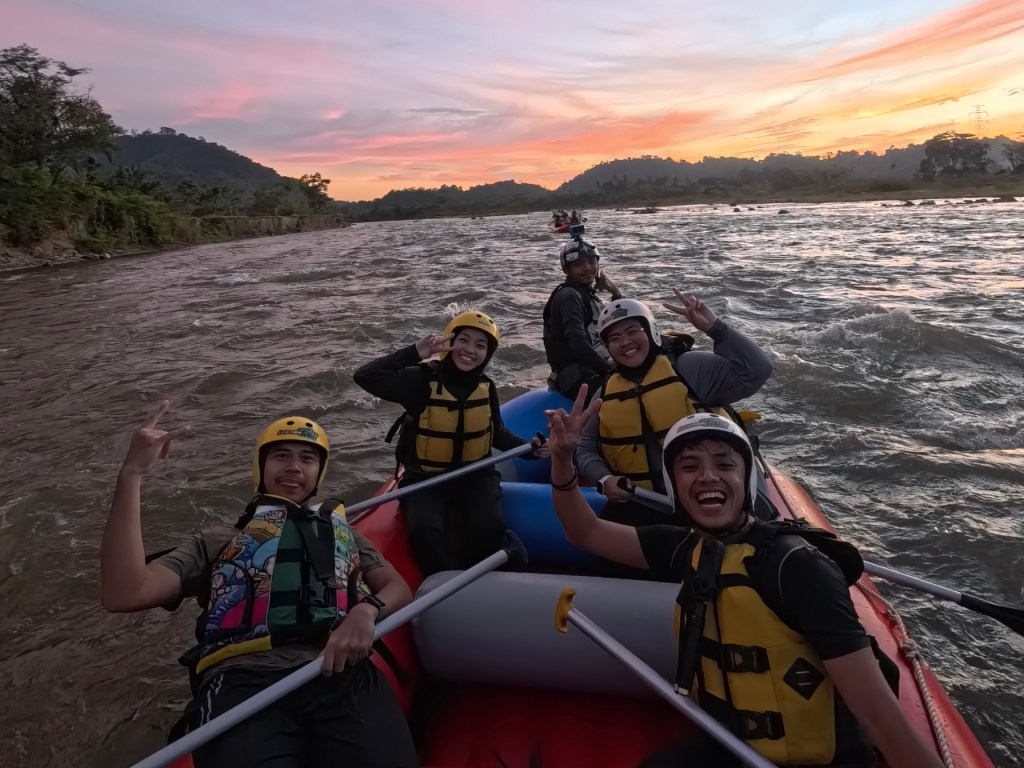
The final pump of adrenaline came with LA Rafting at the Batang Anai River in Lubuk Alung.
Our route was 2.5 hours of pure fun: jumping off large boulders, soaking in cool river water, and catching the sunset as we floated hand-in-hand downstream.
Dicsovering Padang and Minangkabau culture
To get to Mandeh, the Minang Highlands, and all the rest that West Sumatra has to offer, you’ll likely go through Padang, the capital city of West Sumatra Province and one of the largest cities in Indonesia.
Padang has a rich and vibrant history as a trading hub, and is the cradle of West Sumatra’s Minangkabau culture.
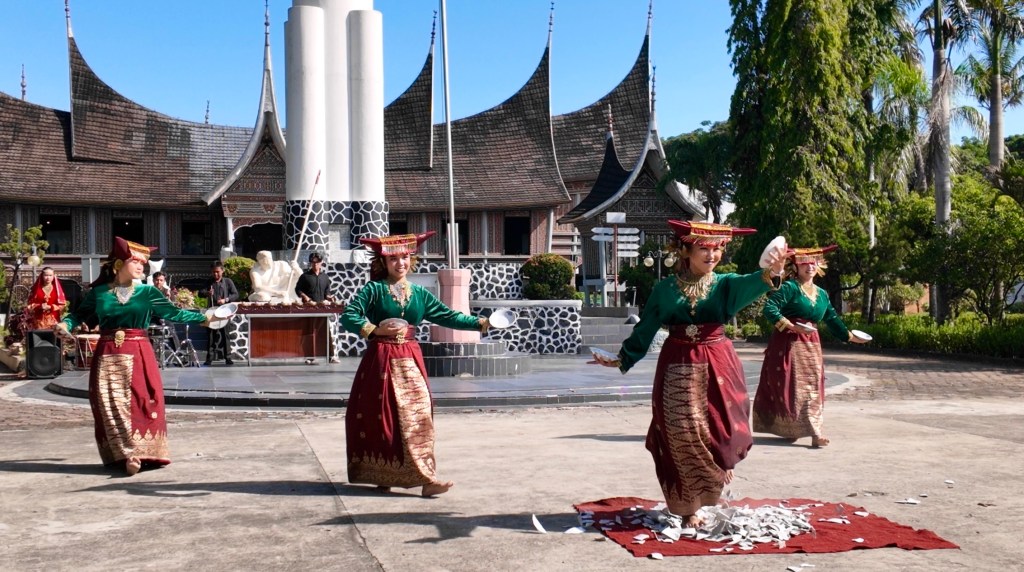
To learn more about the city’s heritage, we visited the Adityawarman Museum, which holds an extensive collection of artifacts showcasing aspects of Padang history and culture, covering Minangkabau lifestyle and customs, as well as the architecture and culinary legacy of the city.
One of its standout exhibits is the Rendang Museum, which details the history of Padang’s most famous dish, highlighting its origins, ingredients, and cultural significance.
The museum also documents the natural disasters that have shaped Padang over the years, including the 2009 earthquake that damaged a swathe of artifacts in the museum.
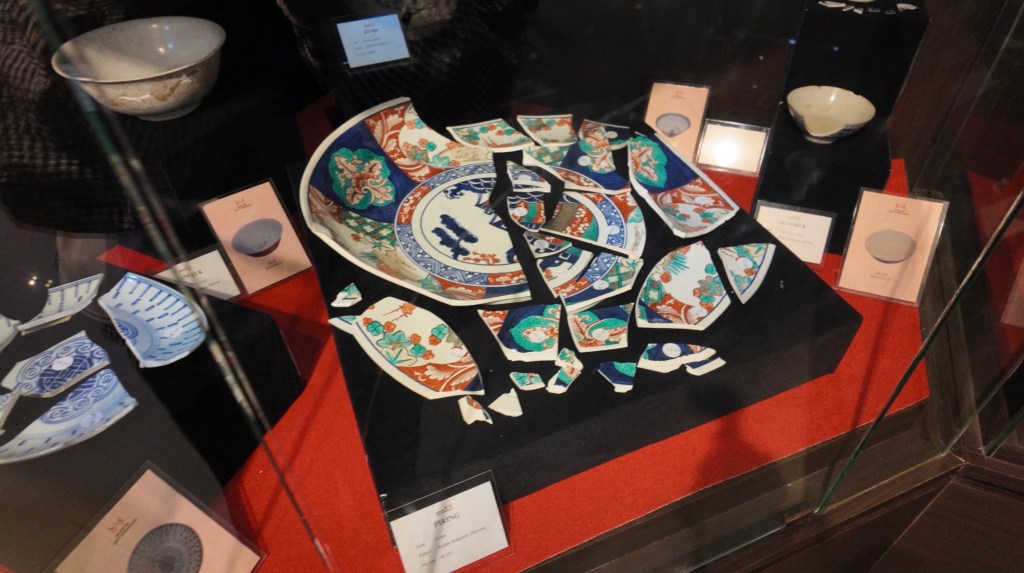
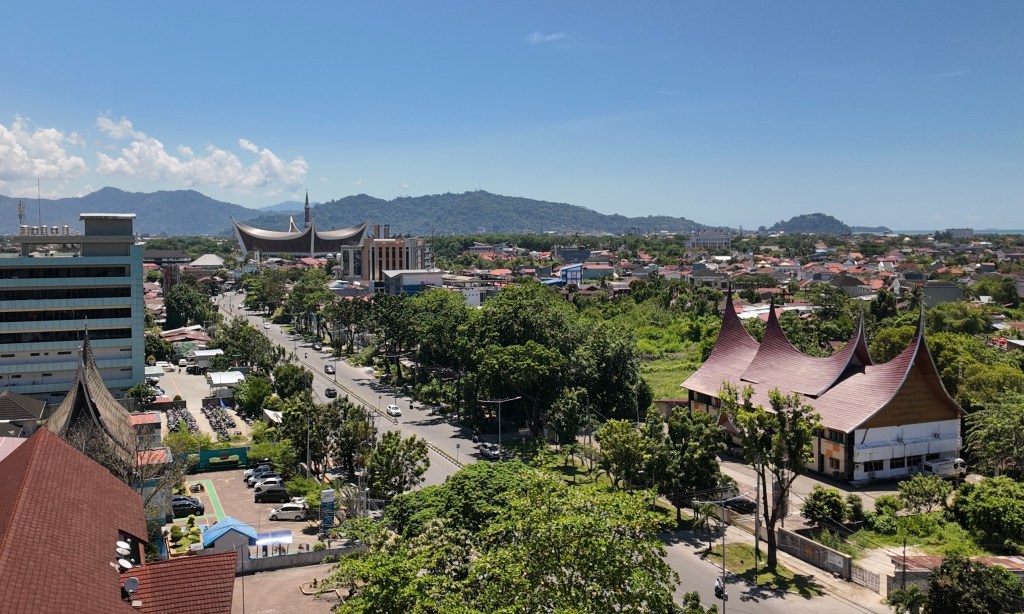
After learning about Padang’s rich history at the museum, we wandered through the streets of the city’s old town. It felt like stepping into a time capsule, seeing glimpses of the past, but at the same time walking through a city pulsing with modern life.

Syekh Ahmad Khatib Al-Minangkabawi Grand Mosque
A visit to Padang is not complete without taking in the majesty of the Syekh Ahmad Khatib Al-Minangkabawi Grand Mosque, a striking piece of modern Islamic architecture designed in the Minang style.
Opened in 2014 after many delays due to the 2009 earthquakes, the mosque is named after Syekh Ahmad Khatib, a prominent and influential Minangkabau Islamic scholar.
Instead of the traditional central dome often seen on mosques, it features the pointed gonjong roof, a marker of Minangkabau architectural design.
The exteriors are lined with intricate wooden carvings, adding a distinct Minang character to the already magnificent structure.

What to eat in Padang
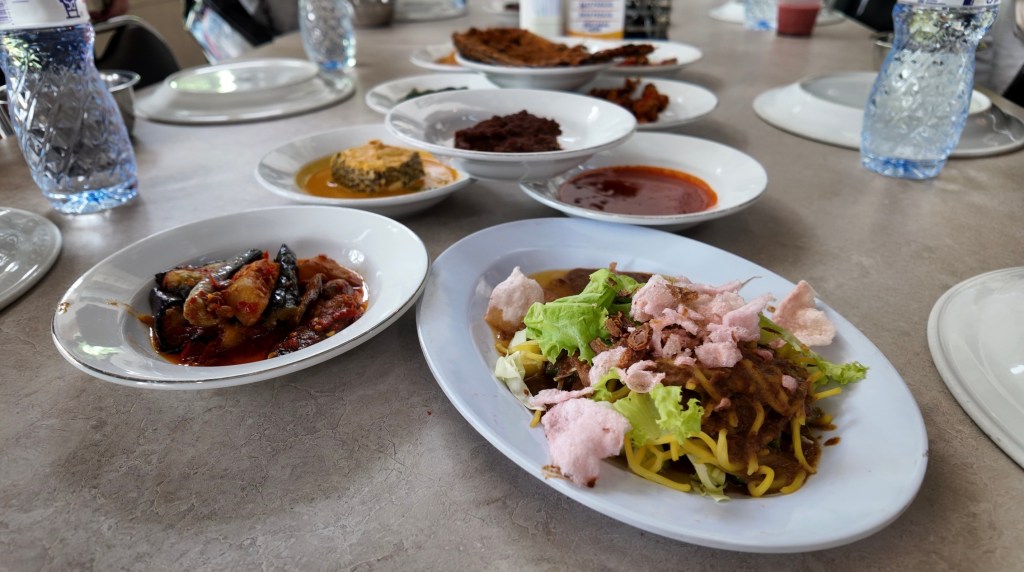
Famous throughout Indonesia for its distinctive cuisine, Padang is the place to go to sample the famous spicy nasi padang food that has spread throughout the country and the world, including delicacies such as rendang, dendeng, and satay padang.
For authentic Padang cuisine, we tried out Rumah Makan Sederhana and Rumah Makan Ampalu Raya, which offer a wide range of traditional dishes from ayam pop, beef rendang, dendang balado, gulai ayam, and many more.
Waiters will expertly balance more than ten dishes on both arms and place them on your table. These dishes will then be spread out on the table for diners to pick and choose, and you only pay for what you eat.
Prices start around $2.80 per plate, but may differ depending on dishes selected.
Be sure to try the different varieties of spicy sambal. Paired with a glass of milky iced tea, it makes for the perfect meal.
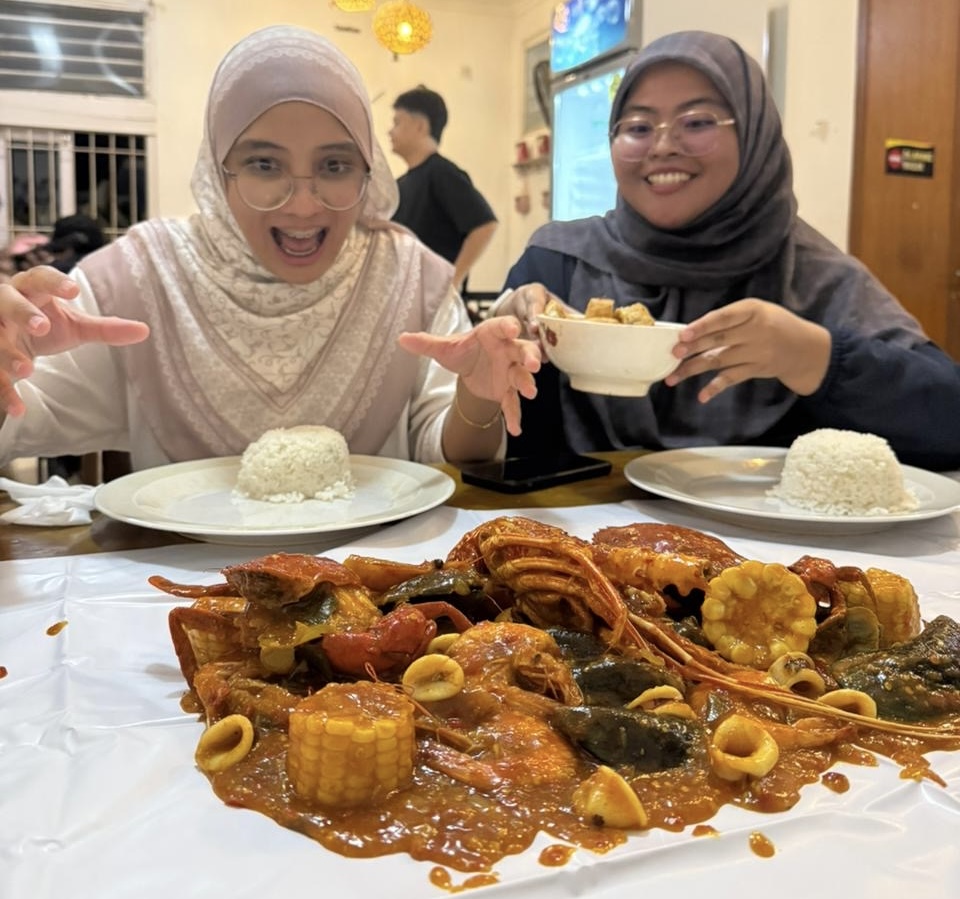
If seafood is more your vibe, head to Dapur Uci Ndut, the go-to spot for a Padang-style shellout: fresh lobster, crab, squid, prawns and all kinds of shellfish, served with a signature spicy sauce.
With plenty of indoor and outdoor seating, it’s a great place for meals with family and friends.
For those with a sweet tooth, Iko Gantinyo specialises in shaved ice drinks — they are are mus-try, especially when topped with durian. Their satay was also juicy and delicious, served with a side of lontong and drenched in a spicy yellow sauce.

Of course, no trip is complete without some snacks to take home as souvenirs. Before heading to the airport, we squeezed in a quick trip to Ummi Aufa Hakim, a shop selling locally-made crackers, including their famous spicy durian crackers.
From the warm hospitality of its people, to fast-paced adventures and rich culture, we were utterly charmed by West Sumatra.
For more information on what to do and how to get there, check out Tourism Indonesia’s official Instagram page for more Indonesia travel inspiration, and follow @indonesiainbsb to catch the latest events from the Indonesian Embassy in Brunei Darussalam.