
BANDAR SERI BEGAWAN – Despite efforts to streamline the zakat application process, nearly 6,000 applications remain unresolved as of July 10.
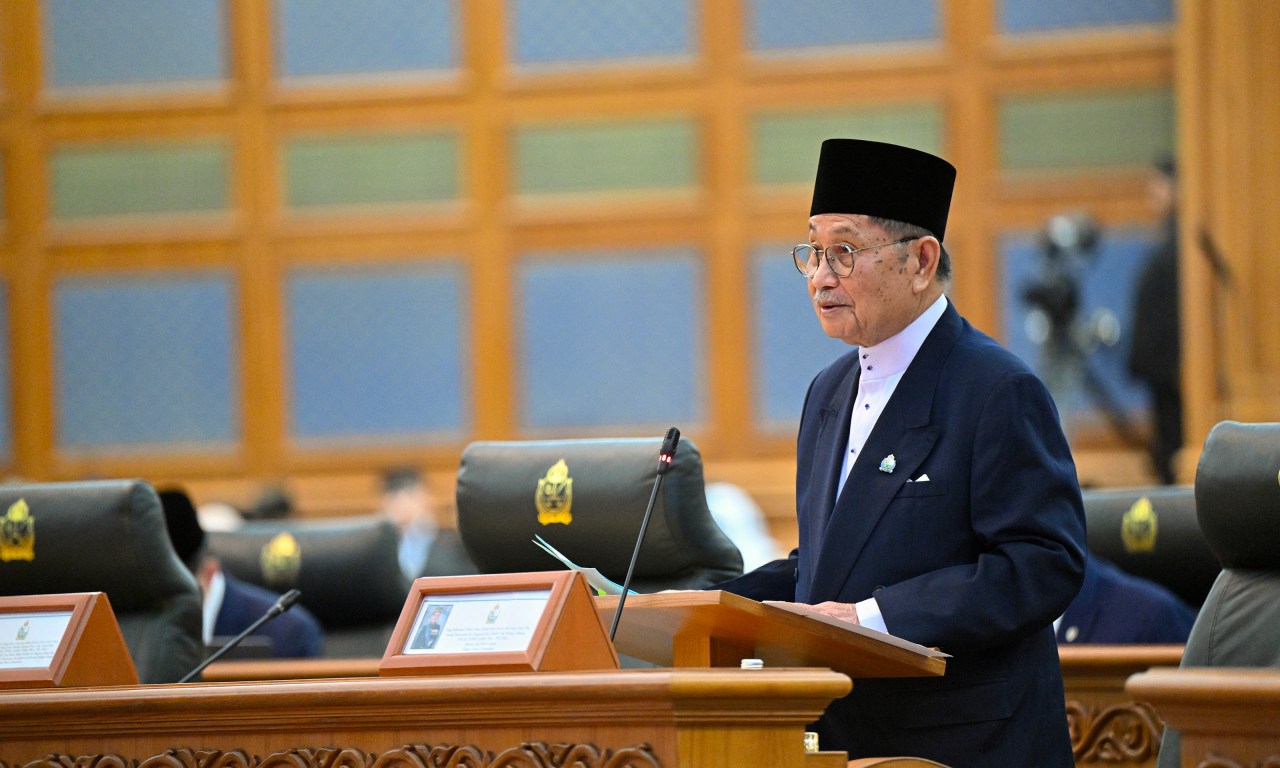
This was revealed during a session of the Legislative Council on Tuesday, where the Minister of Religious Affairs, Pehin Dato Ustaz Hj Awg Badaruddin PDP Hj Awg Othman, addressed persistent delays.
A total of 5,951 zakat applications are still pending, with 2,422 of these categorised as “in query” due to incomplete documentation, he shared. More than 2,000 others are still undergoing investigation and verification.
According to the minister, a major challenge is the high number of applications submitted with incomplete documentation, which leaves them stuck in the system with an “in query” status.
He added that limited staffing has slowed down processing times, with the Department of Zakat, Waqaf and Baitulmal (JUZWAB) receiving an average of 556 new applications each month.
While the introduction of the National Welfare System has digitalised much of the process, the system is still not fully automated and manual checks are still required.
Despite these challenges, the ministry reported significant improvements in application processing times.
Under the former Client’s Charter in 2023, applications took 294–295 days on average to be resolved.
This dropped to 156–157 days between July and December 2024, and was further reduced to 54–55 days from January to June 2025.
These gains were attributed to several new measures, including pre-screening of documents; creating a task force to tackle backlogged cases; and using the Minimum Cost of Basic Needs baseline in decision-making.
The minister’s comments came in response a question from LegCo member Mohammad Abdullah @ Lim Swee Ann, who questioned the effectiveness of the zakat management system. Citing continued delays and a lack of communication with the public, Mohammad suggested holding open sessions at the district and mukim levels to provide clarity to applicants.
New zakat guidelines in the works
Pehin Dato Hj Badaruddin added that the government is preparing new guidelines for zakat disbursement to better reflect current realities like food insecurity, medical costs, and access to basic utilities.
These changes are aimed at refining the system that, in 2024, supported 3,399 people — 1,197 heads of households and 2,202 dependents — who were registered as fakir miskin, or “poor and needy”.
The new guidelines will include updated eligibility criteria, clearer definitions of who is eligible for zakat, and a detailed outline of the Minimum Cost of Basic Needs. The document will also specify the different categories of assistance available before being presented to the Islamic Religious Council for approval.
In a separate initiative, the religious affairs ministry is also exploring the use of artificial intelligence and blockchain technology in zakat management. According to the minister, while these discussions are in the early stages, the government is seriously considering the “huge potential” of these tools to improve the governance of zakat distribution.