

NAGOYA, JAPAN — At Toyota Memorial Hospital in Japan, 24 little helpers are going about their daily rounds — and they are not nurses or hospital staff.
They are Potaro robots, moving through the halls to deliver medicine and assist nurses with routine tasks that would otherwise take time away from patients.
At first glance, the robots may seem simple, but the idea behind Potaro represents something bigger: finding ways to make everyday tasks easier so people can spend more time doing what matters.
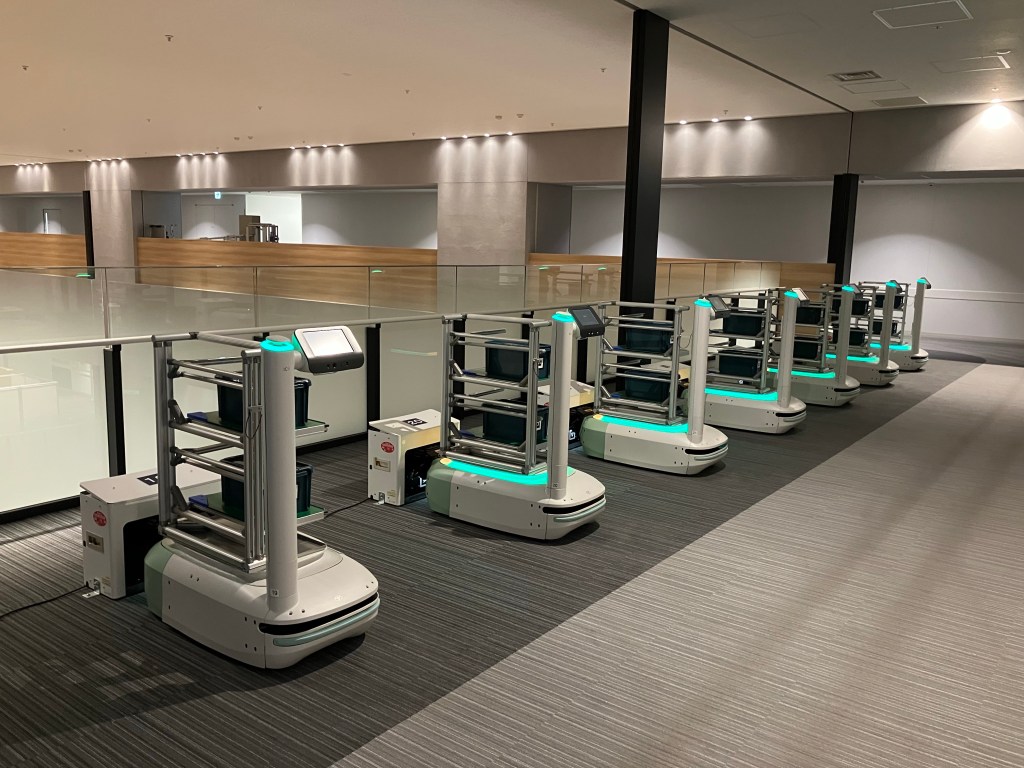
Potaro robots were developed through collaboration between Toyota engineers and hospital staff, with nurses helping identify the practical challenges they faced on the job.
The hospital applies principles from the Toyota Production System and the company’s Kaizen philosophy — the practice of making small, continuous improvements to everyday processes. It is one example of how Toyota’s new technologies are extending beyond the automotive industry, as the company transitions from a car manufacturer to a mobility company.
Designing cars for every driver
The company’s history began in Aichi-Nagoya with Sakichi Toyoda, whose inventions in textile machinery included an automatic loom. His son, Kiichiro Toyoda, later pivoted to automobiles, establishing the Toyota Motor Co. in 1937.
Nearly a century later, that problem-solving mindset is focused on accessibility. At Toyota Technical Center Shimoyama, journalists saw firsthand how the company is adapting its vehicle technology to cater to a wide range of physical needs.
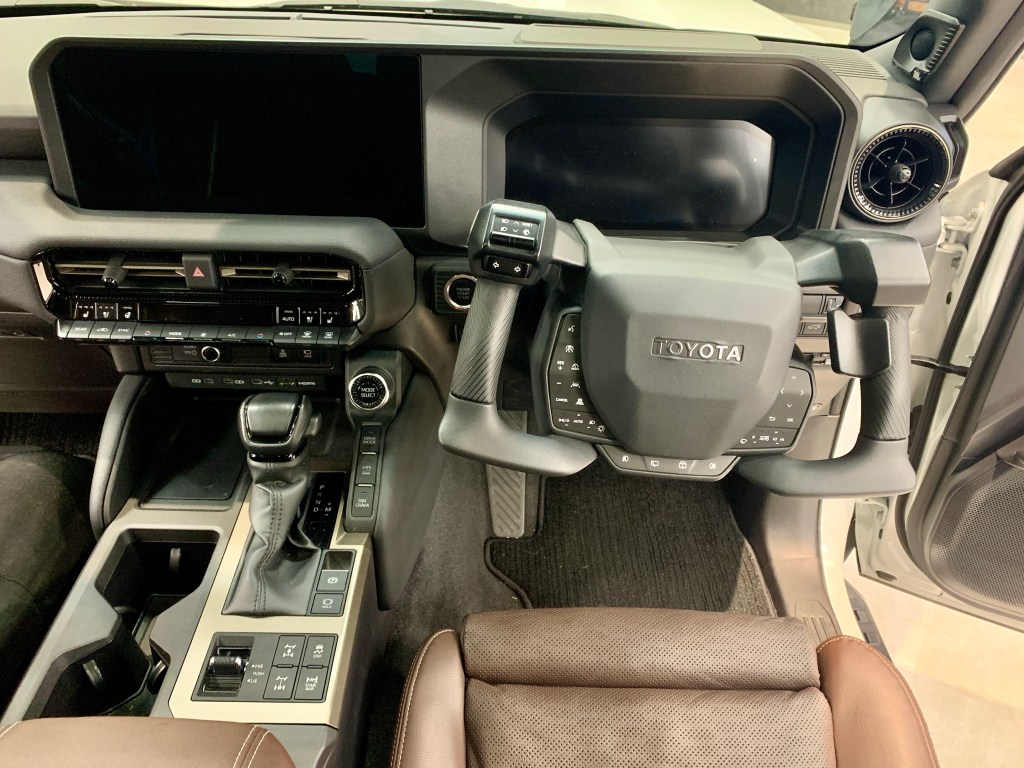
Toyota Executive Vice-President Hiroshi Nasu said the company recognises that customers have diverse needs, and no single solution can work for everyone. He highlighted Welcab and NEO Steer as two examples of Toyota’s efforts to make driving more accessible.
NEO Steer (New Era Operating Steering) is a new steering design that incorporates the accelerator and brake controls directly into the steering wheel, allowing drivers to operate these functions with their hands instead of foot pedals. The concept was developed with Japanese para-alpine skier Taiki Morii, whose experience as an athlete with a lower-limb impairment helped highlight the challenges conventional controls present for drivers with disabilities.
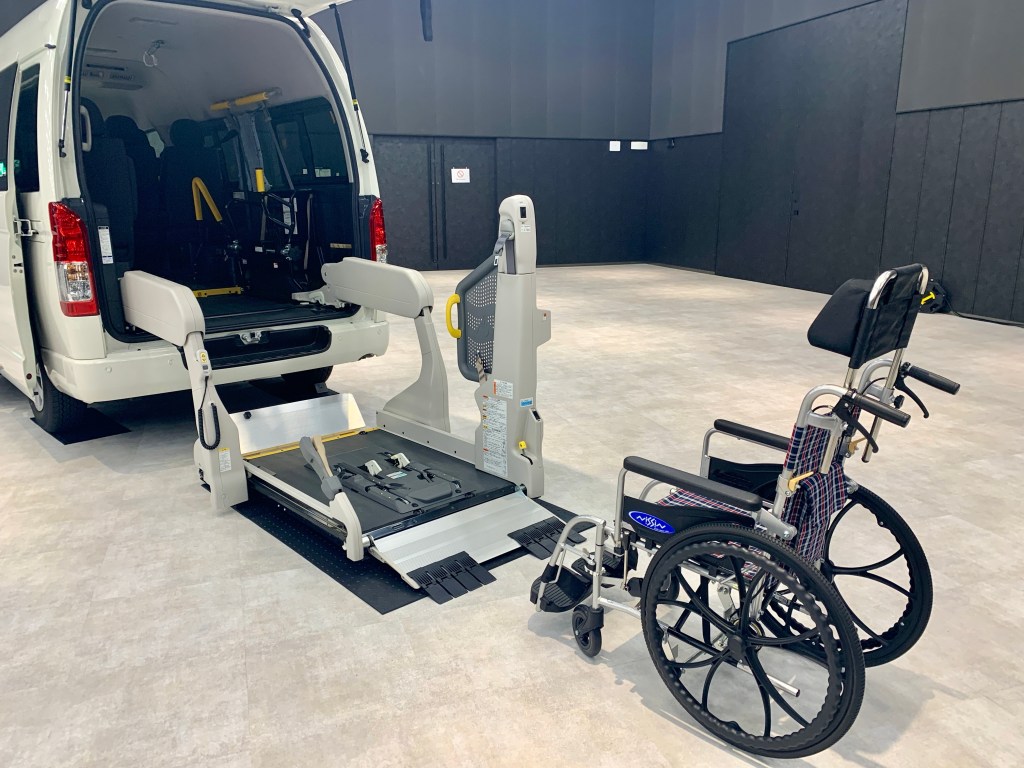
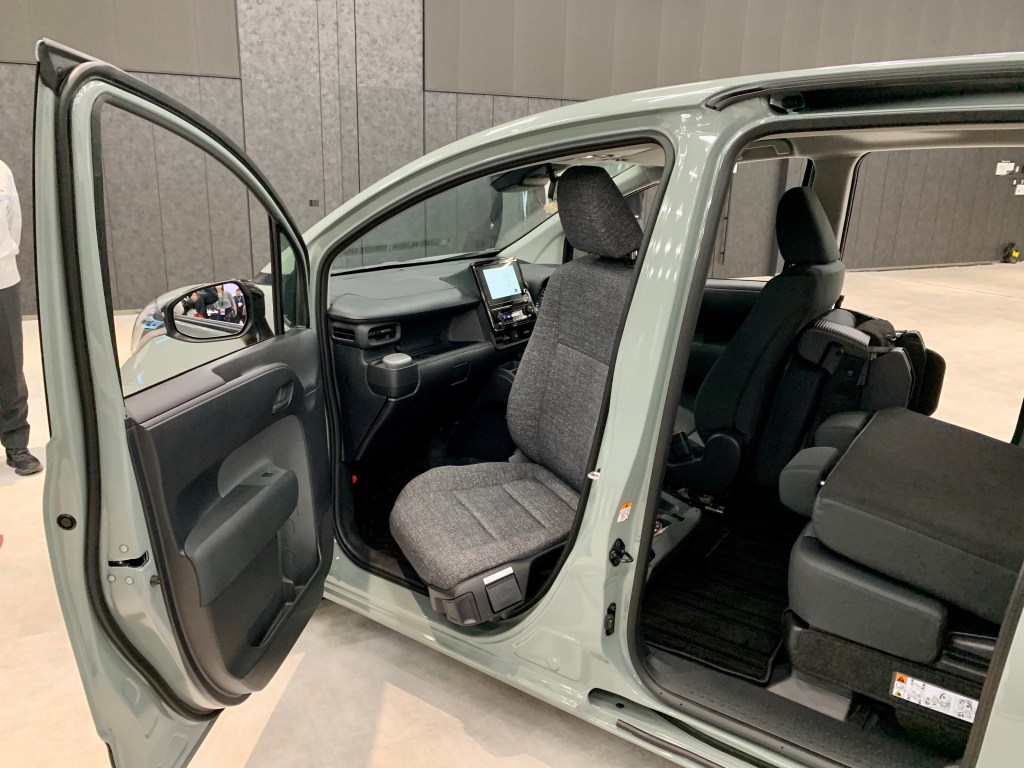
Meanwhile, “Welcab” — a portmanteau of “welfare” and “cab” — originated in Japan when Toyota began designing vehicles for elderly passengers, wheelchair users, and anyone requiring assisted entry or modified seating. At Shimoyama, reporters tested new Welcab features, including a ramp that allows wheelchair users to enter and exit a vehicle without leaving their chairs.
Another featured solution was the “Turn-Tilt Seat,” which rotates toward the door and tilts outward to help passengers who have difficulty lowering themselves into a standard car seat.
Breaking barriers in adaptive sports
Toyota brings that same focus on accessibility to sports, developing new concepts to support people with mobility challenges.
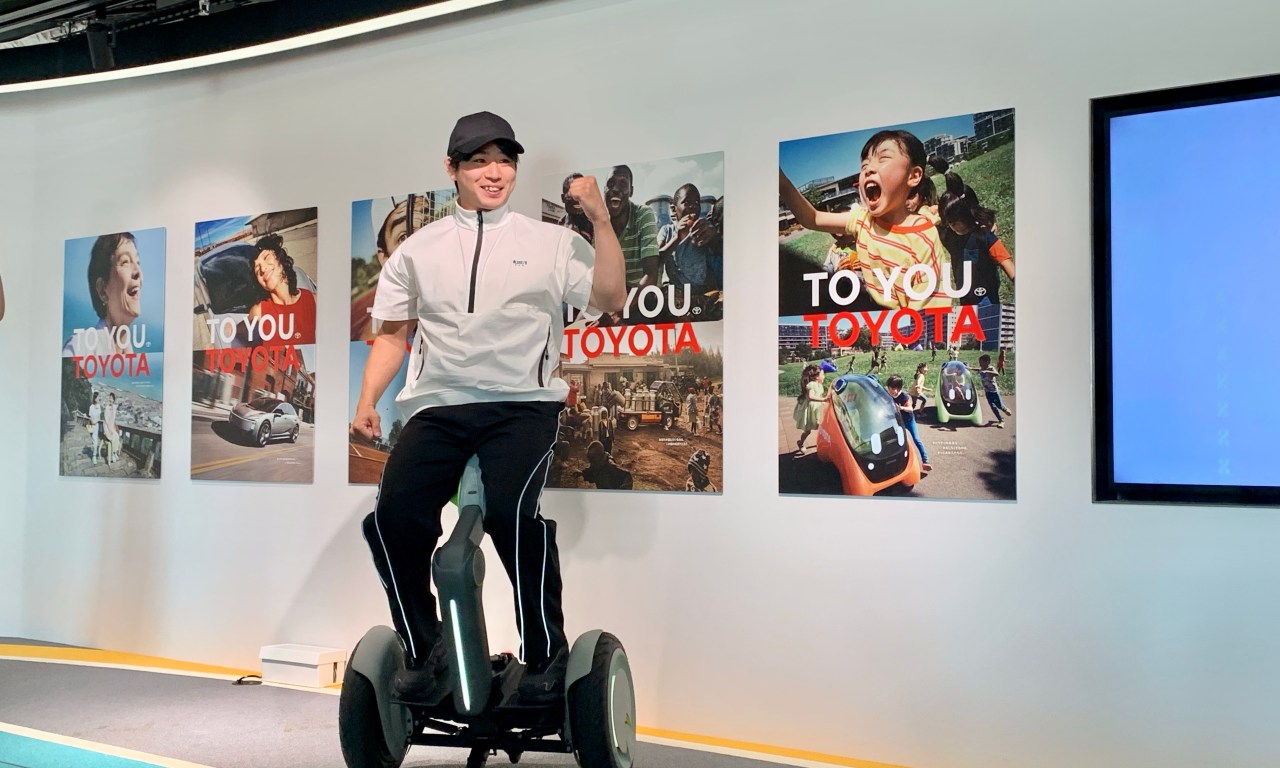
At the Toyota Sports House at Mizuho Stadium, journalists took a closer look at three personal mobility concepts — “Walk Me,” “Boost Me,” and “Challenge Me” — first introduced at the 2025 Japan Mobility Show.
First up was “Walk Me,” a four-legged robot designed for people who have difficulty walking. It features a height-adjustable seat and allows users to navigate uneven surfaces and climb steps.
Meanwhile, “Boost Me” was designed to help users play sports like tennis and basketball. By using their core body movements to control the device, athletes can bend, twist, and stretch without ever having to place their hands on a joystick.
The final device, “Challenge Me,” is an electric chair built for outdoor adventures, featuring all-terrain capabilities and the ability to climb over steps.
Across the hospital, sports house, and technical centre, a common theme emerged: mobility doesn’t just mean getting from Point A to Point B — it is the freedom to participate in everyday life without hindrance.
This article was produced following a media trip to Nagoya sponsored by Toyota as part of its One Team Asia @ Nagoya 2026 programme, which showcases the company’s technologies to regional journalists.