
BANDAR SERI BEGAWAN – Brunei has confirmed eight cases of measles between November 12 and 22, prompting health authorities to launch contact tracing and place close contacts under a 21-day monitoring period.
In a statement issued on Tuesday, the Ministry of Health (MoH) said the infections — comprising six Brunei citizens and two Bangladeshi nationals — were confirmed through serological testing at the National Virology Reference Laboratory.
Three of the patients are infants under 12 months old, who are not yet eligible for the measles, mumps and rubella (MMR) vaccine. The remaining five are adults aged between 31 and 52 with no record of MMR immunisation.
All eight patients have undergone clinical assessments, and samples have been sent to an overseas reference laboratory for further PCR testing.
Possible link to imported case
Brunei’s Centre for Disease Control and Prevention is currently investigating the source of the infections and mapping locations visited by the patients.
Preliminary findings suggest the cluster may be linked to an imported case from abroad. Health officials have reached out directly to identified close contacts and placed them under a 21-day health surveillance period.
Low overall risk due to high vaccination rate
Brunei achieved measles elimination status in 2015 and has maintained MMR vaccination coverage above 97% over the past five years, providing strong herd immunity across the population.
While the ministry noted that the risk of infection remains low for fully vaccinated individuals, unvaccinated children and high-risk groups remain vulnerable.
Under Brunei’s National Immunisation Programme, children receive the MMR vaccine at 12 and 18 months of age, with two doses offering roughly 97% protection against the virus.
Parents and guardians are urged to check their children’s vaccination records via the yellow card, Child Health Booklet, or the BruHealth app, and to schedule appointments at their nearest health centre if any doses were missed.
What to watch out for
Measles is a highly contagious airborne virus spread through coughing, sneezing, or talking, and can linger in the air for up to two hours.
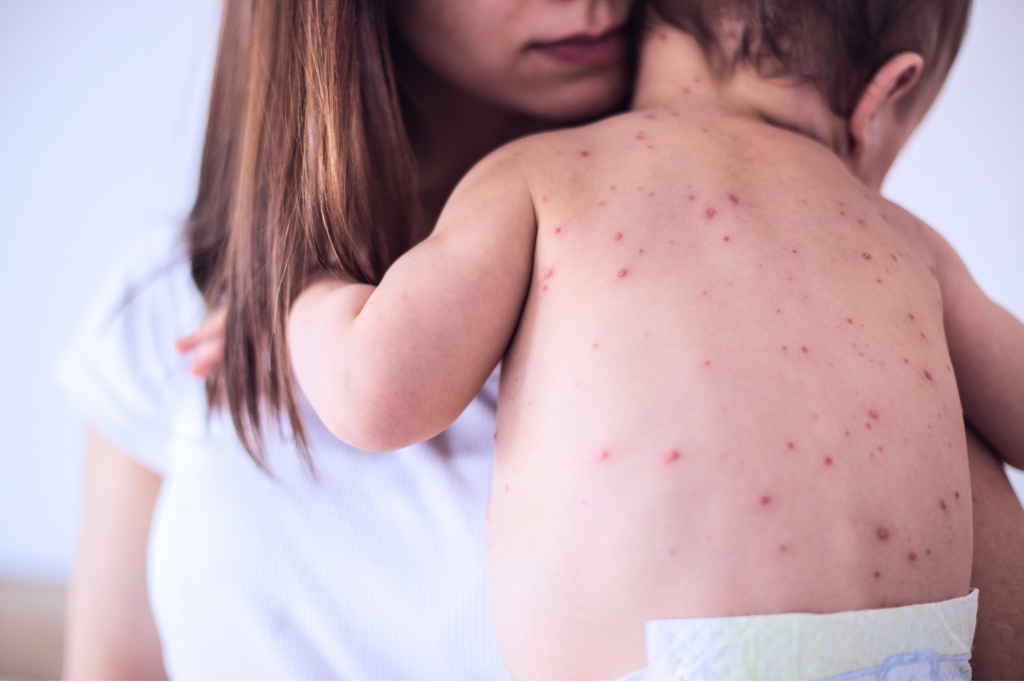
• Symptoms: High fever, cough, runny nose, red and watery eyes, white spots inside the mouth, and a red rash that begins on the face before spreading across the body. Symptoms typically appear seven to 14 days after exposure.
• Contagious window: Patients can transmit the virus from four days before until four days after the rash develops.
• Complications: While there is no specific antiviral treatment, severe cases can lead to pneumonia, encephalitis (brain inflammation), and death. Infants, pregnant women, and immunocompromised individuals face the highest risk.
Health authorities advised anyone experiencing symptoms to avoid schools, workplaces, and public spaces. Before visiting a clinic or hospital, symptomatic individuals should call their nearest health centre or the Health Advice Line at 148 for guidance.
High-risk individuals who have been exposed to a confirmed case are also advised to seek immediate medical advice, even in the absence of symptoms.